

Material Applications
Environmental, Health, and Safety
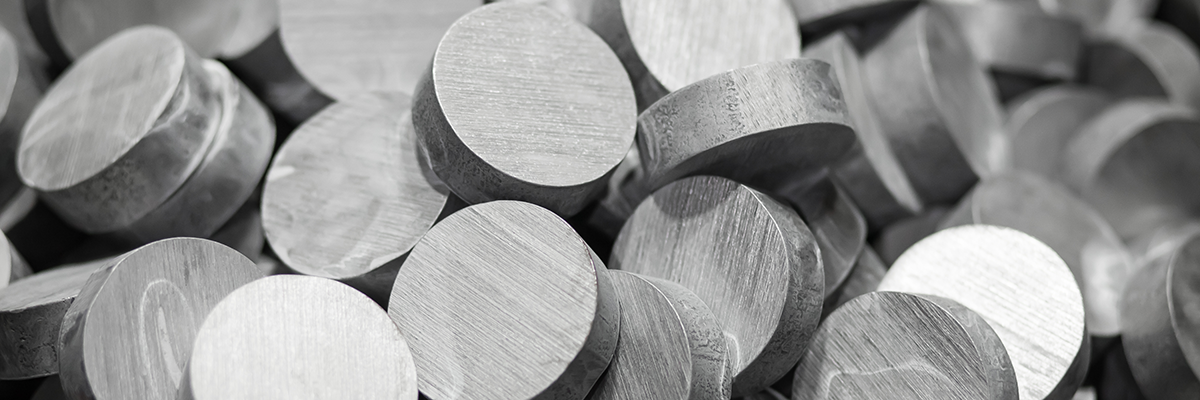
Aluminum
What should I do if the cutting fluid causes discoloration in aluminum alloys?
|
Inadequate
anti-oxidation properties of the cutting fluid may lead to
discoloration. Consider switching to a cutting fluid with stronger
anti-oxidation properties. |
|
If
the cutting fluid has become contaminated or experienced a
decrease in anti-oxidation functionality, it's necessary to
replace the fluid. |
More sensitive aluminum alloys should be dried and stored after machining to prevent discoloration issues.
Experiencing Tool Breakage when Machining High Surface Finish Aluminum Alloys?
*Tool breakage can result from insufficient lubrication properties of the cutting fluid in use. Consider switching to a cutting fluid with better lubrication properties.
*Check if the machine's nozzle is properly aligned with the cutting tool's machining position to ensure even lubrication.
* Evaluating machining conditions, such as machine flushing pressure, tool durability, cutting fluid lubrication, and most importantly, machining parameters, is essential to accurately identify the causes of tool breakage.
Video
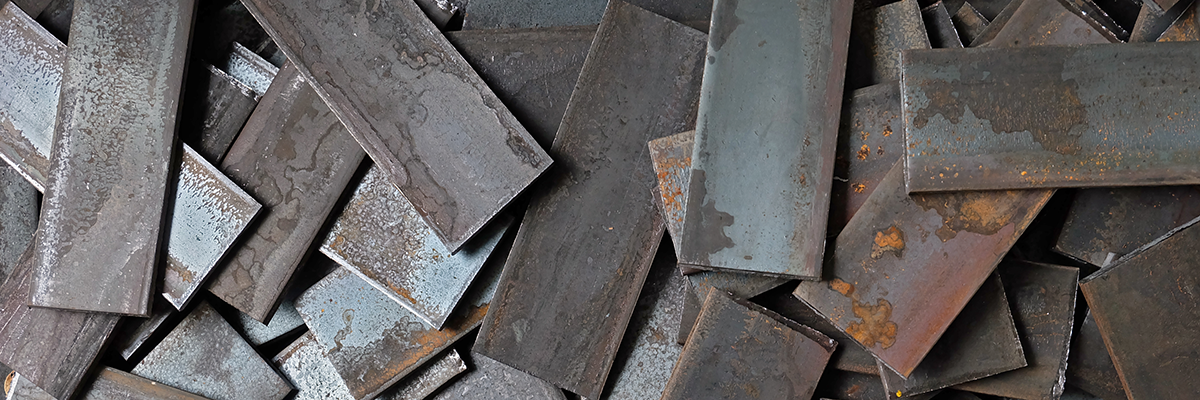
Iron
Does the use of cutting fluid cause rust and oxidation problems?
*Poor rust prevention properties of the cutting fluid may lead to the need for a switch to a cutting fluid with stronger rust prevention characteristics.
* When the cutting fluid has not been cleaned for a long time and there is excessive accumulation of iron metal at the bottom of the tank, an abundance of active metals within the tank can release iron ions, causing the cutting fluid to turn yellow-brown and making it more prone to machine and workpiece corrosion and rust issues.
Severe burrs during machining, what's the problem?
Severe burrs during machining indicate inadequate cooling, extreme pressure, and lubrication from the cutting fluid. It may be necessary to switch to a cutting fluid with better cooling, lubrication, and extreme pressure properties.
Excessive foam during cutting, what's the problem?
Excessive foam during cutting indicates that the cutting fluid cannot withstand the machine's flushing pressure. In addition to foaming, prolonged use of the cutting fluid can lead to emulsion breakdown, resulting in poor machining, reduced functionality of the cutting fluid, foul odor, and other issues. Therefore, it is recommended to use a cutting fluid with good anti-foaming properties (e.g., MCM HS series products can withstand 50-100 bar flushing pressure).

Titanium
Is overheating a common issue when processing titanium metal?
Overheating can occur when processing titanium alloys because they harden upon contact with water. Inadequate extreme pressure, cooling, and lubrication properties of the cutting fluid can lead to overheating.
Is tool wear common during processing?
Due to titanium alloys hardening upon contact with water, tools need to withstand significantly higher pressures during processing compared to other materials. It is recommended to use tools with better rigidity (e.g., German Guhring based tools) in conjunction with a lubricating cutting fluid designed for titanium alloys (e.g., MCM Plant-Based Titanium Alloy Fluid) to mitigate severe tool wear issues.
How should titanium alloy processing parameters be adjusted?
Adjusting the processing parameters for titanium alloys should depend on factors such as the workpiece, machine type, and customer requirements. It's advisable to consult your company's technical experts for adjustments or collaborate with tool suppliers for testing and fine-tuning.
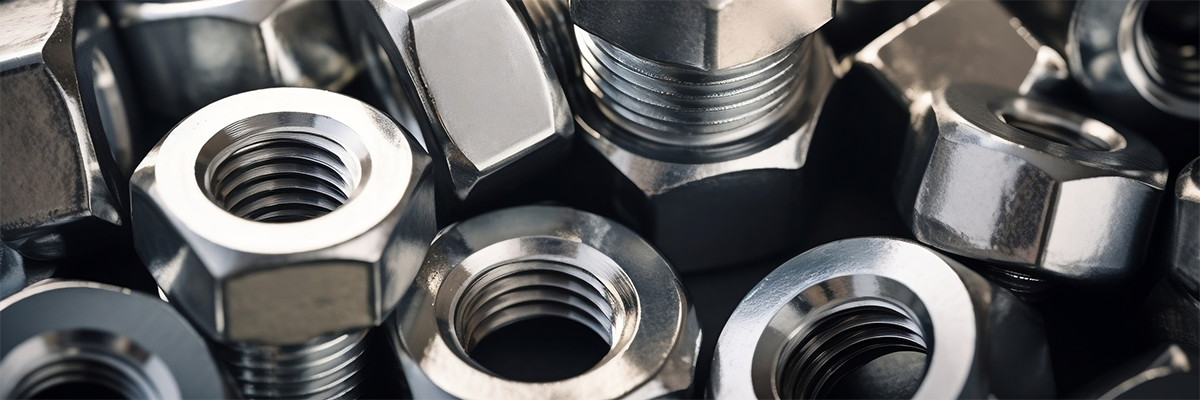
Nickel
Does excessive chip buildup cause tool chipping?
Excessive chip buildup can result in increased cutting forces, decreased cutting quality, reduced tool life, and a significant increase in defect rates.
To reduce the problems caused by tool chipping, you can take the following measures:
1. Use Appropriate Tool Materials: Select tool materials with better wear resistance and impact resistance to reduce chip buildup and tool wear.
2. Optimize Tool Design: Choose the right type of tool, geometry, and edge treatments to reduce chip buildup and improve cutting quality and efficiency.
3. Control Cutting Parameters: Adjust cutting speed, feed rate, and cutting depth parameters to minimize chip buildup and increased cutting forces while ensuring processing quality and efficiency.
4. Use Cutting Fluids and Cooling Systems: Proper use of cutting fluids and cooling systems can effectively cool the cutting area, reducing chip buildup and tool wear.
In conclusion, by reasonably selecting tool materials, optimizing tool design, controlling cutting parameters, and using cutting fluids and cooling systems, you can effectively reduce the problems caused by tool chipping, improving processing quality and efficiency.
Magnesium
Is there a risk of combustion during cutting?
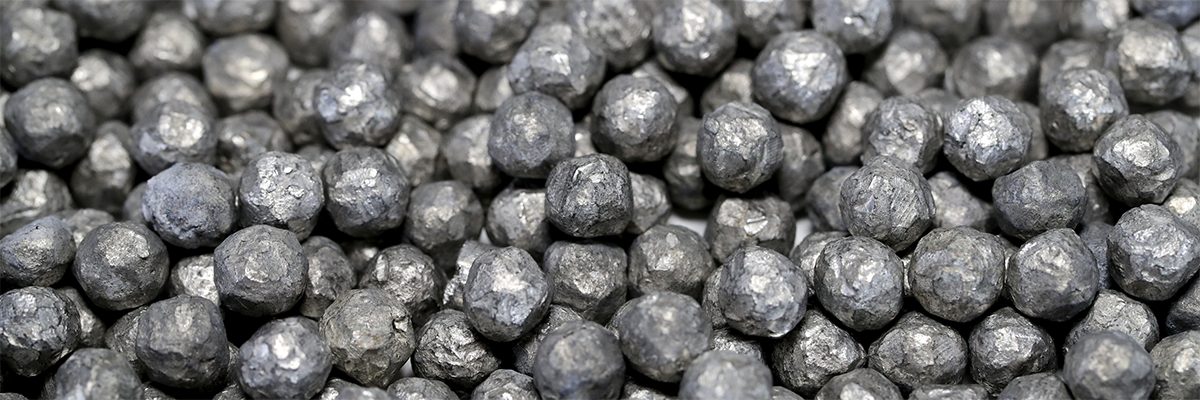
Because magnesium alloys produce magnesium chips during processing, and when these chips come into contact with water, they can generate magnesium hydroxide. If the magnesium chip content in the reservoir is too high and not cleaned up promptly, the resulting magnesium hydroxide can react with oxygen in the air, leading to combustion or explosion.
Are the machine tools and parts prone to corrosion during the processing?
To effectively prevent corrosion issues with machine tools and parts during magnesium alloy processing, it is recommended to take the following measures:
- Use appropriate cutting fluids or coolants, preferably those that do not contain components known to corrode magnesium alloys.
- Control the temperature during the processing to avoid excessive heat generation.
- Regularly clean and maintain machine tools and parts to ensure there are no foreign materials attached and repair any potential damage.
- Consider using corrosion-resistant materials for magnesium alloy or surface treatments to enhance corrosion resistance.
In summary, through proper operational and maintenance measures, you can effectively reduce the risk of corrosion to machine tools and parts during magnesium alloy processing, while ensuring product quality and equipment lifespan.
Is there an issue with the formation of magnesium soaps?
This is mainly due to the fact that magnesium ions can make water harder, and consequently, cutting fluids that cannot tolerate very hard water (e.g., over 3000 PPM) can easily produce magnesium soaps, accelerating workpiece oxidation and machine tool rust.
Send us a message
Send us a message and we'll get back to you as soon as possible.MECOM INDUSTRIES CORP.

Street
City / Town
Province / State
Zip / Postal Code
{{params.placeholder}}
